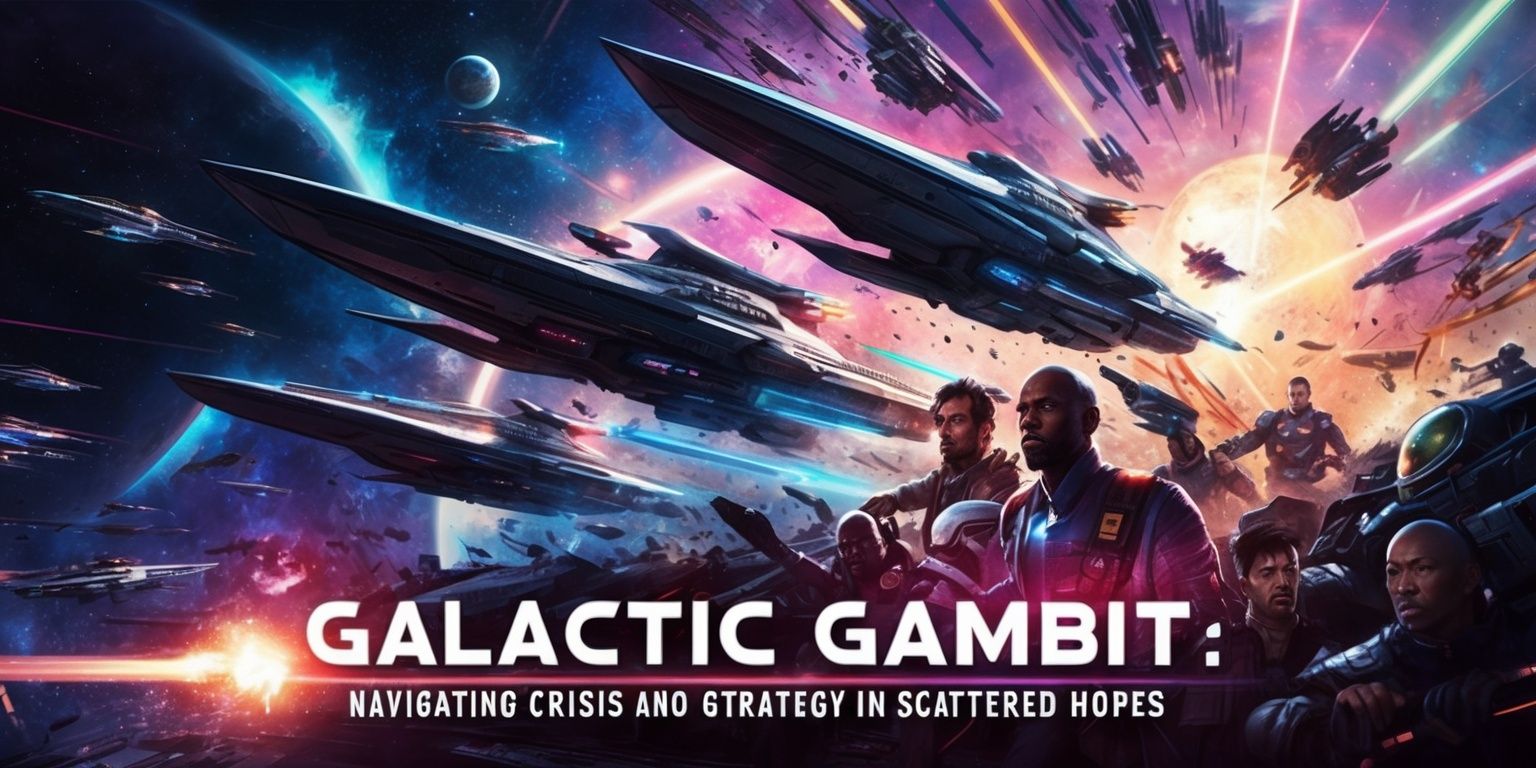
Galactic Gambit: Navigating Crisis and Strategy in Scattered Hopes
Jul 02, 2026
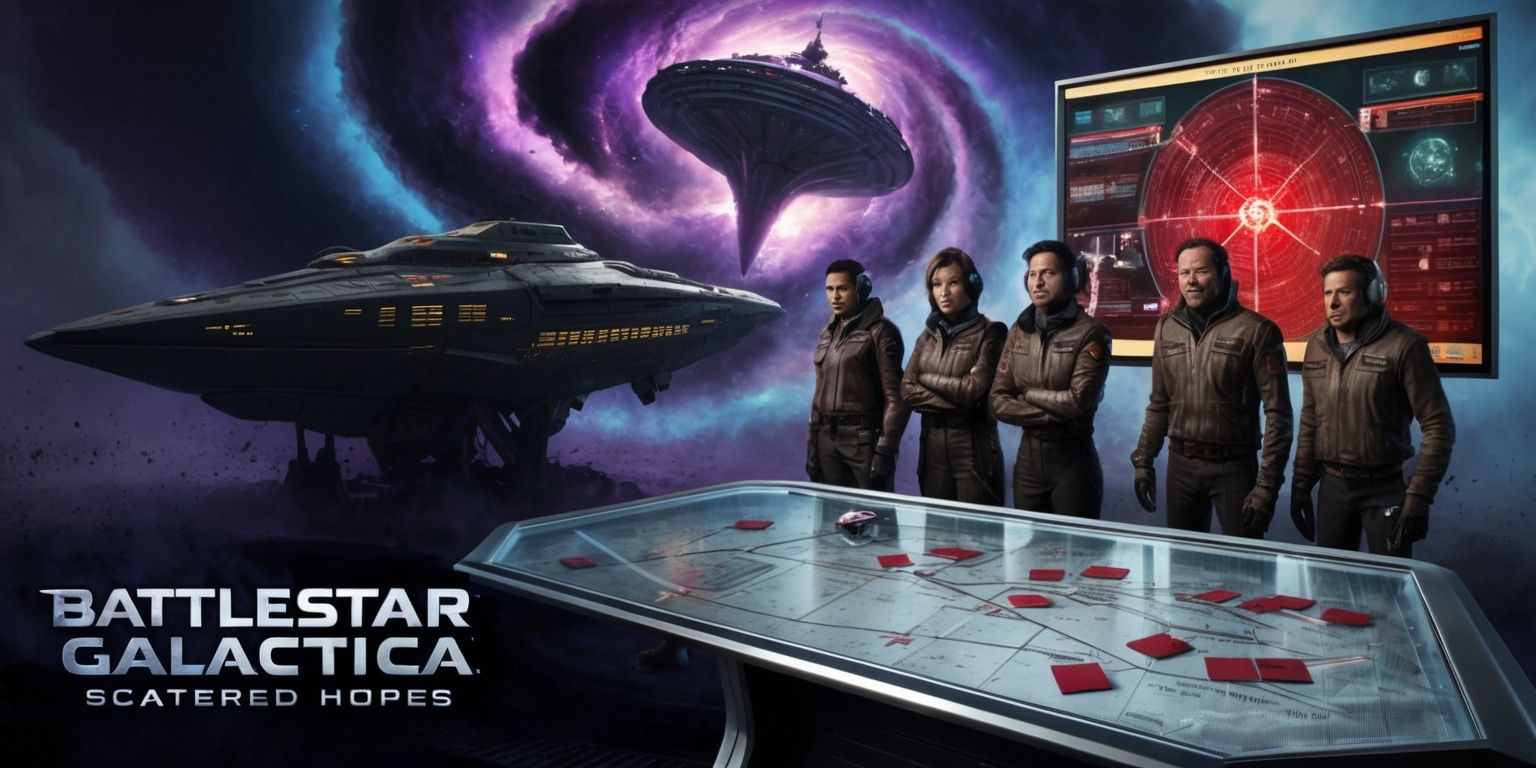
The universe of Battlestar Galactica: Scattered Hopes immerses players in a high-stakes journey where every decision matters and every turn tests your strategic acumen. Drawing inspiration from one of the most renowned episodes of the Battlestar Galactica series, the game weaves together elements of real-time tension and turn-based resource management. Stepping into the role of fleet commander, you experience a cascade of challenges, tactical encounters, and narrative-driven crises that mirror the dynamic pressure of the television show. With an ever-present countdown and escalating barrage of enemy threats, the game demands both foresight and rapid decision-making in a beautifully pixelated yet detailed futuristic setting.
Engaging Gameplay Mechanics
The gameplay in Scattered Hopes is structured around a system of carefully measured turns that intertwine resource management with crisis control. Each faster-than-light jump initiates a countdown during which you must poll options to repair, upgrade, and rally your fleet. Operating a smaller capital ship, the Gunstar, amidst a host of civilian vessels introduces a strategic dimension that requires balancing immediate needs with long-term survival. The blend of tactical, turn-based engagements with a relentlessly ticking clock creates an environment where every move has immediate consequences. As missile barrages and chaotic space skirmishes unfold, each decision to allocate resources or reposition your fleet becomes a delicate balance between offense and defense, urging you to think several moves ahead in this ever-evolving celestial chessboard.
Time Sensitivity and Urgency
The element of time creates a constant undercurrent of tension throughout the game. With every jump, players face a strict, turn-based deadline—typically a span of ten turns—to secure vital resources, resolve intricate crises, and navigate the complexities of political faction dynamics among survivors. This time pressure closely resembles the iconic pacing of the Battlestar Galactica episode that inspired it, demanding that players manage repairs and upgrades swiftly between interludes of combat. The urgency is further highlighted during battle sequences where the countdown to safety is as critical as the action unfolding on screen. Such mechanics require not only strategic Consider revising the phrase to: "robust planning paired with the flexibility to respond instantly.", ensuring that every decision made during those precious turns can be the difference between survival and overwhelming defeat.
Visual Style and Aesthetic Appeal
Visually, Scattered Hopes captivates with a 16-bit art style that, while not a faithful reproduction of the show's live-action imagery, creates a uniquely engaging retro-futuristic ambiance. The pixelated graphics are interspersed with high-resolution character portraits that lend an unexpected depth to the game's narrative. Despite occasional distortions—especially when showcasing colossal enemy spacecraft at the start of battles—The design as a whole stirs up a wistful remembrance of bygone days while maintaining a modern, space-opera vibe. The vibrant colors and dynamic explosions, notably the striking flash of a nuclear detonation against the black void of space, enhance the visceral feel of combat. Coupled with thematic background music that pays homage to the show's eerie themes, the artistic direction helps transport players directly into the heart of a universe in crisis.
Real-Time Tactical Combat
Within the game, the combat framework is structured as a key element for engaging battles marriage of real-time tactics and careful pause-and-plan strategy. On the battlefield, you command a limited number of armed fighters—typically three to five—that engage in skirmishes across compact, detailed maps. The mechanics allow you to pause the frantic action at crucial moments, enabling you to assign targets, trigger special abilities, and reposition craft with precision. The Gunstar itself becomes a formidable asset in launching powerful area attacks that can decimate clusters of enemy ships if timed correctly. Amidst the chaos, the ability to remotely detonate enemy ordnance adds a layer of counter-intelligence, allowing you to turn the adversary’s weapons against them. As each fighter grows with new traits and abilities over successive battles, mastering the intricate dance of offense and defense evolves into a deeply rewarding aspect of play.
Spatial Dynamics and Battlefield Strategy
Scattered Hopes carefully constructs its combats on battlefields where spatial awareness is paramount. The strategic placement of your fleet, the timing of your moves, and even the use of natural obstacles such as asteroids or minefields contribute to a rich tactical experience. Each engagement is defined by a clear yet relentless pressure—enemy forces ranging from agile skirmishers to heavy artillery ships converge rapidly on your position. Predictable enemy patterns serve to emphasize the importance of positioning: every move can either prevent incoming damage or set you up for a decisive counterstrike. In these high-tension arenas, the careful coordination between fighters and the central ship is essential. As you navigate through spatial challenges, even minor miscalculations can cascade into larger strategic errors, reinforcing the importance of both planning and improvisation in hostile sectors of space.
Fleet Management and Strategic Progression
Beyond the heat of battle, the heart of Scattered Hopes beats in its intricate system of fleet management. Navigating between sectors, you’re tasked with recruiting and upgrading crewmembers who bring unique skills to the table. These officers are not mere auxiliaries; they enhance your fighters’ efficiency, boost weapon systems, and sometimes offer critical crisis resolutions that would otherwise drain precious supplies. The ability to salvage and upgrade civilian ships adds an extra strategic layer, where securing additional resources can turn the tide of upcoming confrontations. This system creates long-term progression, allowing your fleet to continually evolve as you encounter tougher challenges. Whether optimizing crew assignments or planning the best path through a treacherous sector, you are constantly sculpting the destiny of your fleet, ensuring that every incremental upgrade can contribute to a grander scheme of survival in an unforgiving expanse.
Multifaceted Crisis Scenarios
One of the most immersive elements in Scattered Hopes is the proliferation of crisis events that surge unpredictably throughout your journey. These events range from minor setbacks requiring swift repairs, to elaborate scenarios that weave together multiple objectives. Whether you are urgently addressing a ship-wide malfunction, mediating disputes among survivors, or engaging in specialized battles to resolve a threatening anomaly, each situation is designed to test your management skills under pressure. The crises are not isolated tasks; many come in linked sequences that demand careful resource allocation and attention to narrative detail. As you navigate these multiple layers of emergent challenges, The game compels you to strike a balance between… immediate tactical responses and long-term strategic investments, keeping every run fresh and laden with new dilemmas to solve.
Interwoven Narrative and Hidden Mysteries
Embedded within the strategic mechanics is a subtle narrative thread that gradually unfolds, placing familiar characters and hidden adversary dynamics at the forefront. Throughout each journey, cryptic clues guide you toward identifying a shadowy figure lurking among the crewmembers—a saboteur whose true allegiance remains shrouded until the final stages of confrontation. The process of elimination and investigation simmers with uncertainty, encouraging you to weigh every decision carefully before committing limited resources to delve further into the mystery. Although the detective element might seem more perfunctory than central to the broader tactical gameplay, it adds a layer of narrative subtext that enriches the overall experience. Decrypting this hidden storyline invites you to consider the duality of trust and suspicion intrinsic to a crisis-laden universe, evoking the intricate interpersonal dynamics that fans of the original series have come to appreciate.
Synergy and Skill Evolution
The game’s progression system emphasizes the synergy between evolving abilities, where both active maneuvers and passive traits contribute to a robust tactical arsenal. As your officers level up, they develop unique competencies that enhance the performance of various fleet components. For example, an officer adept at reducing cooldown times may dramatically increase the output of your missile launchers, while another with reflective abilities can turn enemy ordnance into strategic advantages. The game encourages creative problem-solving, as you are often presented with contrasting ability choices that may work in tandem for spectacular effects during the heat of battle. This constant evolution not only personalizes your experience but also rewards experimentation with diverse combinations of skills. The intricate balance of selecting complementary upgrades plays a significant role in determining your fleet’s resilience and effectiveness in the evolving challenges of each run.
Fluidity in Combat Tactics and Formation
Unlike more cinematic space battles found in other strategy titles, Scattered Hopes opts for an abstract representation of dogfights that emphasizes tactical clarity over elaborate visual warfare. Although the depiction of combat lacks the dynamic flair of fully rendered space dogfights, there is an unmistakable charm in the simplicity of fighters homing directly on their targets. Artillery units, such as the Raptors, serve their purpose with precise, calculated bombardments, while support units maintain careful distances to maximize their benefits. This approach shifts the focus toward making strategic use of each vessel’s inherent strengths rather than relying solely on flashy maneuvers. As you execute formations and coordinate well-timed responses to enemy advances, the underlying strategy shines through—a demonstration of the game’s commitment to rewarding strategic ingenuity and adaptability in every encounter.
Dynamic Decision-Making and Path Selection
Progressing through the game’s sectors presents a branching array of navigational choices that add a pivotal layer of strategic depth. At various junctures, you are offered two distinct paths that may lead to different challenges or opportunities, making every run a fresh exercise in tactical decision-making. Early decisions, such as recruiting additional crewmembers or fortifying your current position, can have long-lasting consequences that resonate throughout the journey. These critical choices demand a careful assessment of both risk and reward: opting for a treacherous route might yield high returns in resources and abilities, while a more cautious path provides safer, predictable progression. The openness in pathway selection stimulates an environment where each run feels uniquely tailored to your strategic preferences, ensuring that even repeated playthroughs remain engaging and full of unexpected developments.