Rain and Strategy: Mastering the Elusive Snail in New Horizons
May 16, 2026
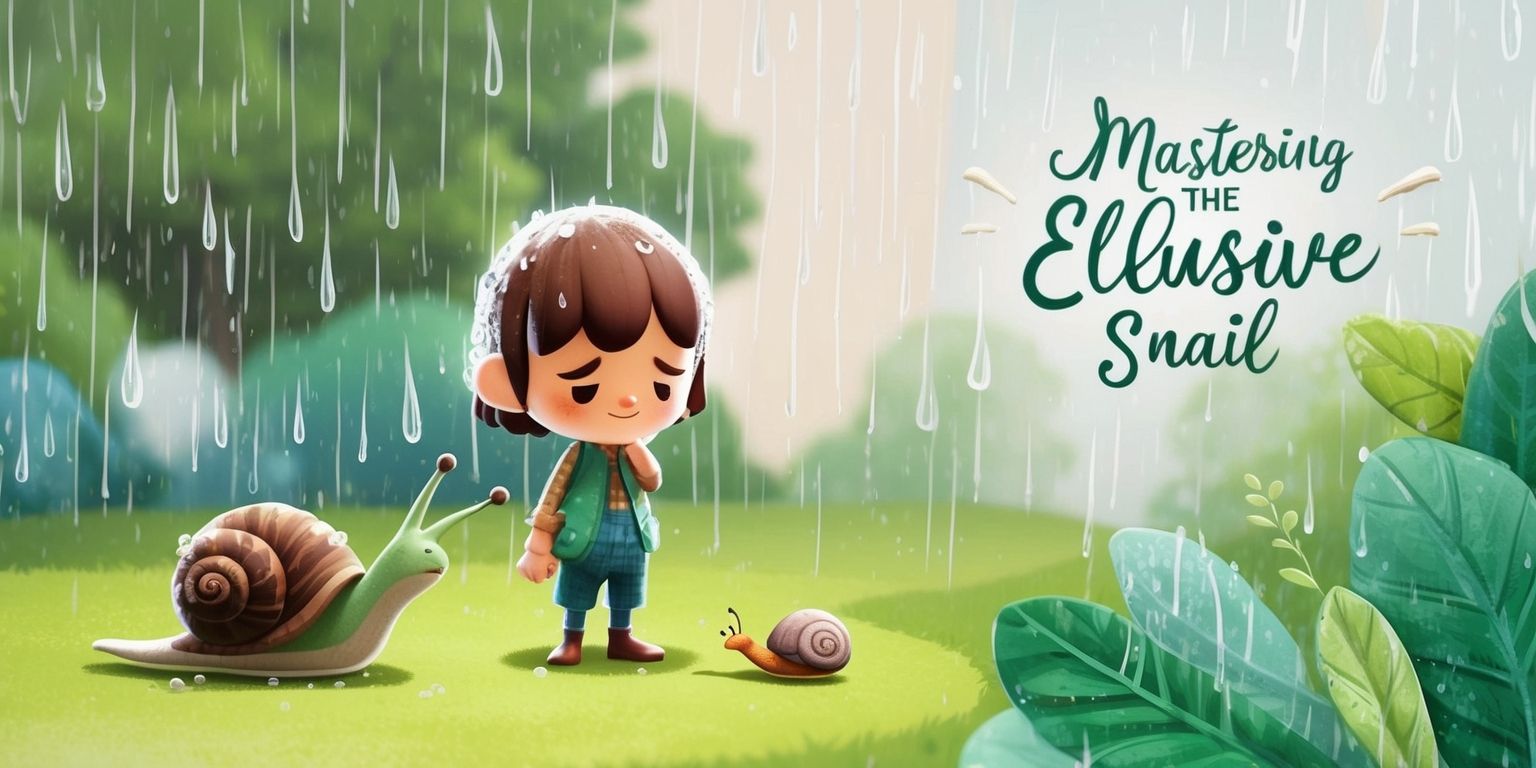
Animal Crossing: New Horizons provides a captivating adventure in which every element of nature plays a role, including even the smallest creatures like snails. The game blends environmental nuances with strategic gameplay, challenging players to adapt their approach based on weather and location. One of the intriguing tasks available is catching a snail, which requires a mix of timing, patience, and a keen eye for detail. With its seamless transitions between seasons and weather patterns, New Horizons transforms routine gameplay into explorations of hidden mechanics. The way snails appear and react to the environmental conditions serves as a reminder of how nature is intricately interwoven into the island’s lifestyle. This detailed exploration sheds light on multiple aspects of capturing snails, from the refined controls in gameplay to the artistry integrated into the game’s design.
Mastering the Timing and Conditions
In Animal Crossing: New Horizons, the appearance of snails is closely tied to environmental conditions that demand the player's attention to timing and weather. During rainy weather, snails make their rare appearance on specific natural objects like rocks or shrubs. It is essential for players to note that while these creatures are present throughout the year, their occurrence in specified terrains is dictated by forecasting the rain. Being available both day and night further adds to the charm, guiding players to check every corner of their island when the rain starts falling. This weather dependency not only enriches the game’s realism but also encourages players to understand in-game meteorology. Enthusiasts appreciate how the game makes time and weather integral features that subtly adjust gameplay strategies, ensuring that every rainy day holds promise for a successful catch.
Embracing the Soothing Rainy Environment
The rain in New Horizons is not merely a setting—it serves as an ignition point for dynamic game interactions and an essential element that alters the behavior of various creatures, including the snail. On rainy days, players witness a transformation in the natural landscape as droplets shimmer on leaves and the grounds become glossy. The atmosphere exudes a calming aesthetic that encourages slow, careful exploration with a net in hand. As snails quietly appear on rocks or shrubs, the environment calls for a measured, deliberate approach to gather these elusive beings. The interplay of weather and creature behavior underscores the game’s commitment to creating life-like patterns. Adaptation to these weather conditions becomes key, as players learn to anticipate and appreciate the subtle cues that indicate the arrival of specific critters within the serene rains.
Strategic Use of Tools and Movement
Every tool in Animal Crossing: New Horizons is crafted with purpose, and the net stands out as a vital instrument for catching snails. The game teaches players that a strategic approach is needed: slow and steady movement is crucial. Rushing towards a snail may cause it to withdraw into its shell, potentially triggering a swift escape. This requires careful positioning and a measured pace, ensuring that the creature remains within reach until the net can be perfectly aligned. The dynamics of tool use in the game enhance the level of skill development in players, combining reflexes with strategic thinking. Each action—stepping closer, aiming the net, and executing the capture—is an exercise in precision. Such mechanics add depth by Urging gamers to decelerate and fully immerse themselves in the experience minutiae of the gameplay experience.
Navigating Through Island Terrains
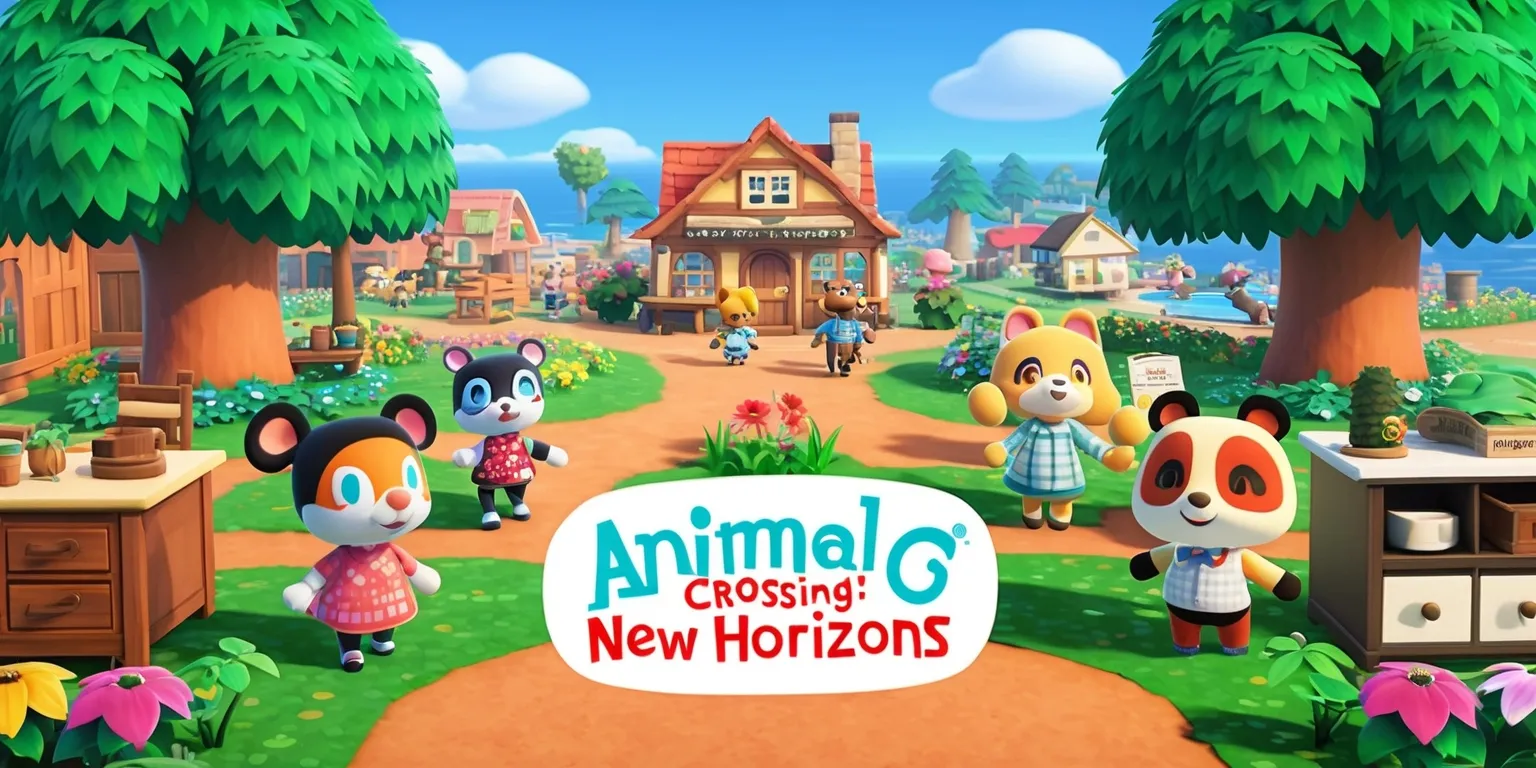
The island environment in New Horizons is crafted with so many layers of detail, and one of its fascinating characteristics is the varied terrains that host unique interactions. Snails, for instance, prefer the stable surfaces of rocks and the recently introduced shrubs, which are part of the seasonal enhancements during the first Nature Day event. Not every rock qualifies; only those that can be mined with a shovel are viable. This adds an extra puzzle element as players must identify appropriate rocks among seemingly similar objects like beach boulders or ocean-side tide pools. The exploration of the island becomes a treasure hunt—in every slope and corner, nature’s delicate balance is recreated. Such terrain-driven challenges invigorate everyday gameplay, merging the joy of exploration with a subtle lesson in environmental selection and site-specific engagement.
Appreciating the In-Game Craftsmanship
Animal Crossing: New Horizons boasts a distinctive and immersive visual style that… enhanced by the deliberate choices in creature behavior and environmental cues. The appearance of snails amid a rainy backdrop reflects how intricately the game developers thought through even the smallest details. Every element resonates with a background of immersive audio and visual design. The gentle rustle of rain, the shimmering glisten on rocks, and the animated movements of snails combine to elevate the sensory experience. These elements are not just for artistic flair; they serve a functional purpose, teaching players about attention to detail and patience. This level of craftsmanship in integrating behavior with environmental storytelling transforms a simple task into an elegantly choreographed performance that enriches the overall gaming environment.
Integrating Social Elements and Visiting Islands
Animal Crossing: New Horizons enjoys widespread acclaim for its social and collaborative gameplay, where interactions extend beyond a single individual’s island. Snails can be caught not only on one’s personal island but also on a friend’s or even an uninhabited deserted island, as long as the condition of rain persists. This flexibility injects a communal aspect into what might seem like solitary activity, encouraging players to share strategies and discoveries. The cooperative spirit is inherent in the game’s design, where exchanging tips and visiting new terrains become part of the challenge. Players can compare notes on the best spots to find the perfect rock or the latest even the rarest shrub placement. Embracing this social aspect nurtures a community spirit steeped in exploration and knowledge sharing, deepening the shared gaming experience.
Calculating the Value of Snail Collections
Collecting snails in New Horizons does not merely contribute to in-game museum exhibits but can also generate a healthy flow of bells for players. On one hand, players have the option to donate snails to the museum, enriching the collection of natural wonders. On the other, the creatures have a significant monetary value: Nook’s Cranny offers a respectable price, while the special visitor known as Flick, adds value by purchasing them at 150% of the standard rate. This dual value system encourages economic strategizing, as players must decide whether to invest in their collection or maximize their in-game wealth. Financial choices become intertwined with exploration and collection, turning the act of catching a snail into a multifaceted endeavor that requires both precision and economic foresight. The economic layer adds yet another dimension to the engaging gameplay, showcasing how every detail has a ripple effect on the island’s ecosystem.
Understanding Thematic Atmosphere and Design
Every element of Animal Crossing: New Horizons is imbued with a rich thematic atmosphere that celebrates "the untouched wilderness and the tranquil loveliness of" island life. The challenge of catching snails is interwoven with the game’s overall design philosophy, where each biome has unique interactions and visual cues. Rain dramatically transforms familiar terrains into enchanting landscapes where every rock and shrub holds hidden treasures. The game’s art style, characterized by a warm, inviting palette and playful animations, creates an immersive ambiance that delights both new players and long-time fans. This distinct visual and thematic experience is reflective of the care taken in game design, where practicality meets artistic expression. Such design choices encapsulate the spirit of New Horizons, engaging players on a sensory level and elevating every encounter into a minute yet heartfelt adventure.
Mechanics and Subtle Behaviors of In-Game Creatures
The behavioral mechanics of snails in New Horizons illustrate a thoughtful fusion of realism and imaginative gameplay. Unlike many other creatures, snails exhibit unique responses to player movement. They remain stationary on rocks or shrubs until approached carefully; missteps could cause them to retract or even roll off their perch. This interaction is designed to simulate the shyness of real-world snails while introducing an element of risk that requires strategic planning. Even subtle movements, such as the pace at which a player approaches, influence the outcome. The precision of these behaviors is a testament to the game’s sophisticated programming, where every creature is given life through deliberate and calculated animations. Players are thus challenged to master the art of subtle movements, reflecting a balance between excitement and the necessity for a delicate approach.
Spotting and Embracing Rare In-Game Moments
The rarity of snails in Animal Crossing: New Horizons makes them a prized find among the myriad specimens populating the island’s ecosystem. Their unique triggers—rain and specific terrains—create moments of anticipation and serendipity. Each time a rainy day sets in, it presents an opportunity to discover these elusive creatures, adding layers of excitement to routine island exploration. The thrill lies not only in the act of catching but also in the pause to appreciate the game’s dynamic environment, which mirrors real-world unpredictability. These moments, though subtle, serve to reinforce the value of attentiveness and patience, as every rare appearance is an event to savor. The delicate balance between chance encounters and deliberate action transforms the activity into a series of unique experiences that keep players engaged and invested in every facet of island life.