Phantom Blade Zero Review: Wuxia Style, Sharp Combat, and a Few Uneven Edges
Nov 16, 2026
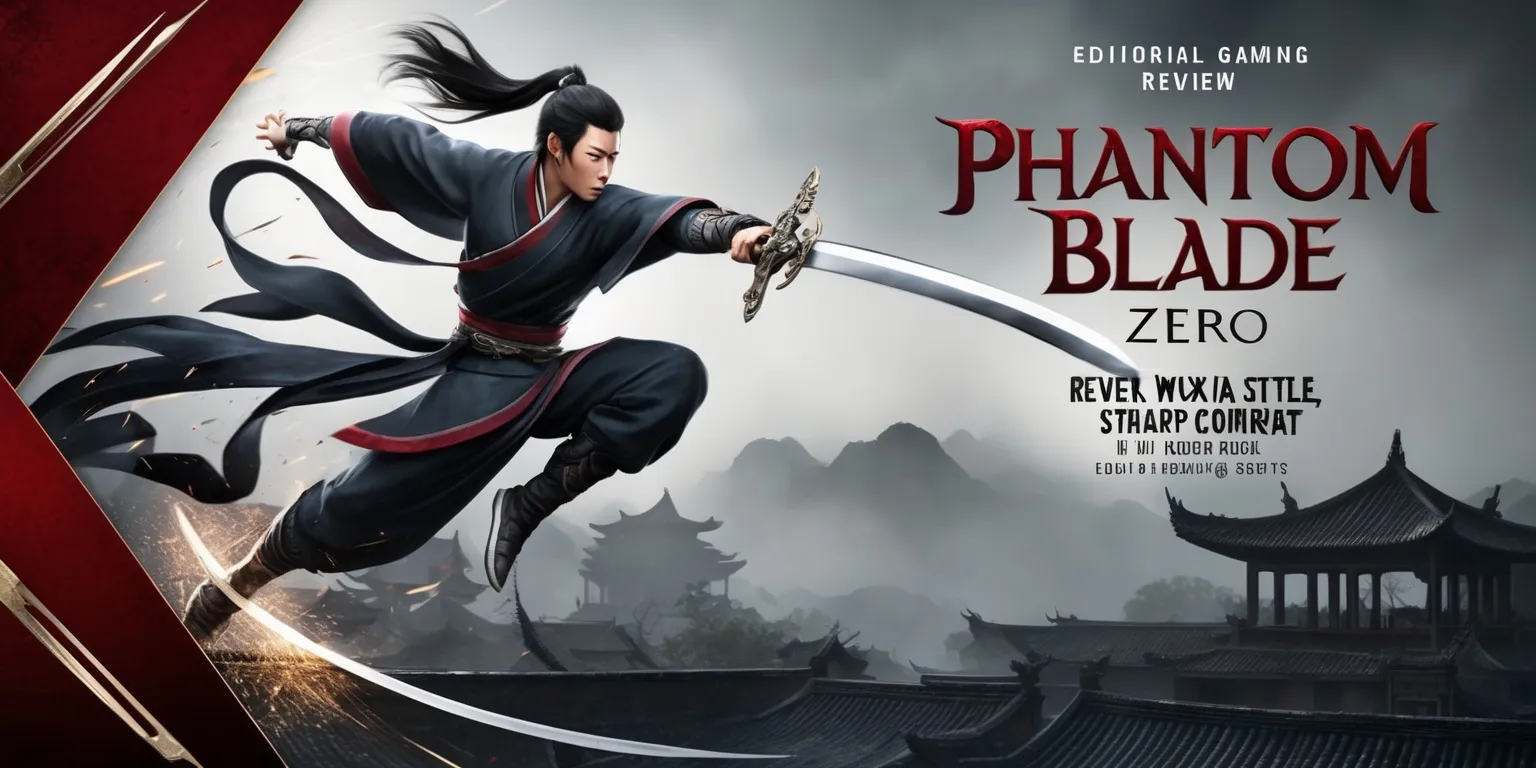
Phantom Blade Zero comes across as the type of action game that spends years teasing players with footage that looks almost unreal, then quietly delivers the same sensation in actual play. Coming from a studio with a reputation built elsewhere, it would have been easy for this to end up as style without substance, yet the result is the opposite in the most satisfying way. The movement is elegant, the clashes are fast and readable, and every encounter seems built around the fantasy of a deadly martial artist moving through a world of ruins, myth, and menace with complete control. Even with a messy narrative and a few technical hiccups, the experience remains magnetic because the core loop is so carefully tuned.
A World Framed by Wuxia Spectacle
Phantom Blade Zero is steeped in wuxia energy from the first moments onward, presenting a hero whose path is driven by urgency, mystery, and vengeance. You follow Soul, a martial warrior with an unusual origin and a limited amount of time left, across a broken landscape known as the Phantom World. The setting mixes ancient imagery with supernatural force, making every region feel like part of an over-the-top legend. What gives the game its identity is how committed it is to this genre mood, from flowing martial poses to dramatic confrontations with towering enemies. Even when the plot becomes tangled in its own lore, the atmosphere remains strong enough to keep each new destination feeling meaningful.
Combat That Locks In Immediately
The first real triumph of Phantom Blade Zero is how quickly the fighting system becomes second nature. Parrying, dodging, and countering are all built around timing that feels crisp rather than punishing, allowing you to settle into the rhythm within minutes. The game never makes the player wrestle with clumsy input chains or awkward recovery frames. Instead, it gives every strike and response a clear purpose, so that repeated battles become opportunities to refine flow rather than survive chaos. That sense of immediate comfort is rare in action games of this style. It makes the combat feel approachable without losing its edge, and it encourages experimentation because the basics are so intuitive.
Weapon Swapping as a Core Rhythm
One of the more striking design choices is how often the game expects you to rotate between melee weapons. This is not just a matter of preference or build variety. Switching weapons is tied into survival, because it can help restore posture and create room during encounters where pressure escalates quickly. Each weapon offers a distinct set of moves, so the game asks you to think in terms of tempo and adaptability, not just raw damage. That means memorizing multiple tools and understanding when each one shines. Instead of making loadouts feel fixed, Phantom Blade Zero turns weapon management into part of the action itself, which keeps combat rich across long sessions.
Upgrades, Trinkets, and Flexible Growth
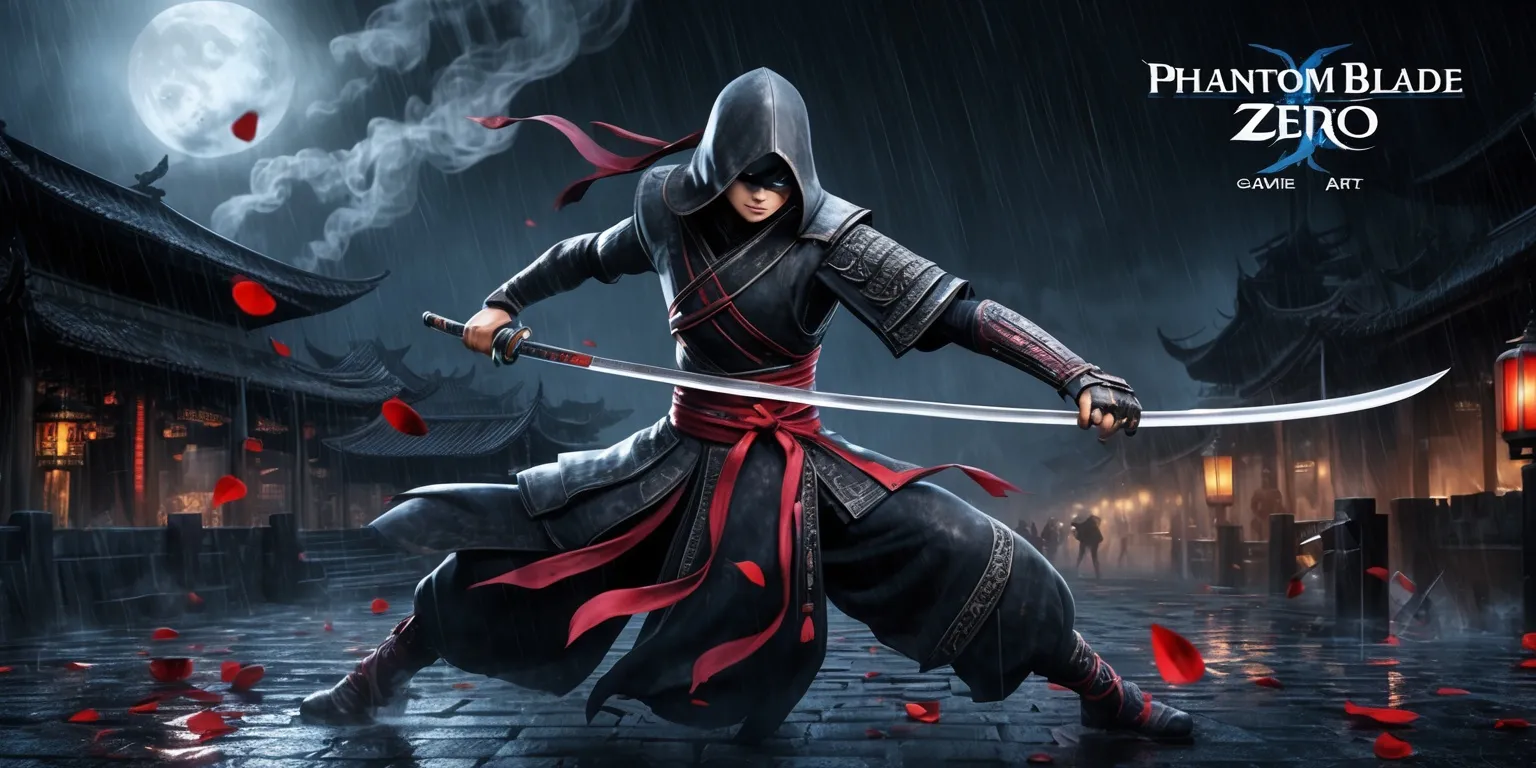
Progression in Phantom Blade Zero is built to support frequent testing and reshaping of your style. Weapons can be upgraded, points can be reassigned with relative ease, and the game often encourages you to rethink what you are carrying before stepping into a new challenge. Alongside the weapon system, there are trinkets that provide useful buffs such as stronger offense while at full health, and a skill tree that opens up practical improvements like aerial dodge options or additional healing capacity. The result is a character-building structure that feels generous rather than restrictive. You are rarely locked into a single approach, which makes the act of preparing for a fight almost as engaging as the fight itself.
Levels That Reward Curiosity
The game’s eight maps are packed with side content, hidden encounters, and rewards that are easy to overlook if you go by too fast. Exploration is not treated as filler. Every region has pockets of optional content, secret routes, locked-off discoveries, and small narrative threads that provide extra texture. The spaces are built to reward players who slow down, turn corners, and inspect landmarks. Some quests are simple delivery or collection tasks, but they still help create a sense of inhabiting a living route rather than just passing through combat arenas. That design keeps the momentum varied, because each area contains enough side activity to alter the pace between major fights.
Maps That Refuse to Hold Your Hand
Rather than filling the screen with constant markers, Phantom Blade Zero relies on hand-drawn maps that offer only broad guidance. You get directional hints and landmark references, but not a fully automated route telling you where to go next. That choice makes exploration feel more personal, since you are interpreting the world instead of following a checklist. It also gives the environments a stronger identity, because you learn to remember shapes, edges, and visual clues. In an era where many games over-explain navigation, this approach feels refreshing. It creates a more deliberate relationship with the world and makes discoveries feel earned, especially when those discoveries unlock hidden questlines or useful gear.
Set Pieces and Encounters with Personality
What keeps the combat from becoming routine is the creativity of the enemy design. The game consistently introduces surprises, from bizarre martial opponents to larger-than-life figures with strange attack patterns and dramatic entrances. Some battles lean into absurdity in a manner that helps them stay memorable for a long time after they are over, whether through costume, movement, or unusual arena conditions. A fight might have you leaping along poles in a flamboyant disguise while collecting items to power up an attack, and another might pit you against a coordinated group of experts moving with alarming precision. These moments give the game character, because they are not just tests of skill; they are visual and mechanical showcases.
Boss Fights Built for Momentum
Boss encounters are one of the main reasons Phantom Blade Zero remains so compelling over a long playthrough. They are numerous, varied, and often designed with enough flair to feel distinct from one another even when they share similar ingredients. Most of them are balanced to challenge you without dragging the fight out unnecessarily, which helps preserve the intensity of the encounter. A particularly smart design decision is that the game does not force you to replay previously cleared phases if a multistage boss defeats you later in the sequence. That keeps the pacing brisk and removes a common source of frustration. It also lets the developers design more elaborate encounters without making failure feel overly tedious.
Threat, Tempo, and the Feeling of Control
Even on the highest difficulty, Phantom Blade Zero often feels demanding in just the right way. It maintains tension without becoming exhausting, and the balance between defense and aggression is tuned so that you rarely feel helpless. Many attacks are telegraphed clearly enough to be learned, but not so slowly that the challenge loses force. There is also an almost musical quality to the timing, where patterns begin to register subconsciously and your reactions start syncing with the rhythm of the fight. That sensation gives the combat a special kind of flow. Instead of simply reacting to danger, you start anticipating it before you fully process what is coming, which makes victories feel earned and stylish.
Challenge Without Excessive Friction
The way the game handles difficulty does a lot to preserve excitement. Losing to a boss does not usually mean replaying long stretches to return to the same point, so mistakes are easier to absorb. This keeps even aggressive attacks and sudden high-damage moves from feeling unfair, because the penalty for learning is limited. The game can therefore afford to be bold with enemy design, including moments where a single mistake can ruin a run if you are careless. Since the setback is not overly punishing, those moments feel dramatic rather than irritating. The structure supports repeated experimentation and makes every attempt feel like progress, even when the fight ends in failure.
Technical Roughness in the Environment
The biggest obstacle to the game’s polish is the environment itself. Geometry problems occur often enough to be noticeable, with the hero sometimes snagging on tiny surfaces or getting stopped by invisible edges that should not interfere at all. Platforming sections can become unexpectedly awkward when a move looks viable but collides with hidden boundaries. In a game built around quick motion and acrobatic movement, these issues stand out sharply. Enemies can also become trapped in scenery, which can weaken an otherwise intense battle. The underlying quality of the combat helps compensate, but the roughness in traversal and collision does interrupt the rhythm more than it should. It is the one area that most clearly needs refinement.
Presentation, Performance, and the Sense of Style
Visually, Phantom Blade Zero leans into flair with confidence. Every strike, leap, and special technique is framed for impact, and the game understands that style is part of the appeal. The aesthetic combines ornate martial imagery with brutal fantasy energy, creating a tone that feels both grounded in genre tradition and tailored for spectacle. Performance is steadier in the reviewed build than it was in earlier showings, with combat usually running smoothly and only certain spots on one map showing consistent frame issues. Those problem sections suggest there there is still work ahead, but the overall presentation is far more stable than it may have appeared during preview stages. The result is a game that looks and feels vivid most of the time, with enough technical consistency to allow the action to be the main focus.